
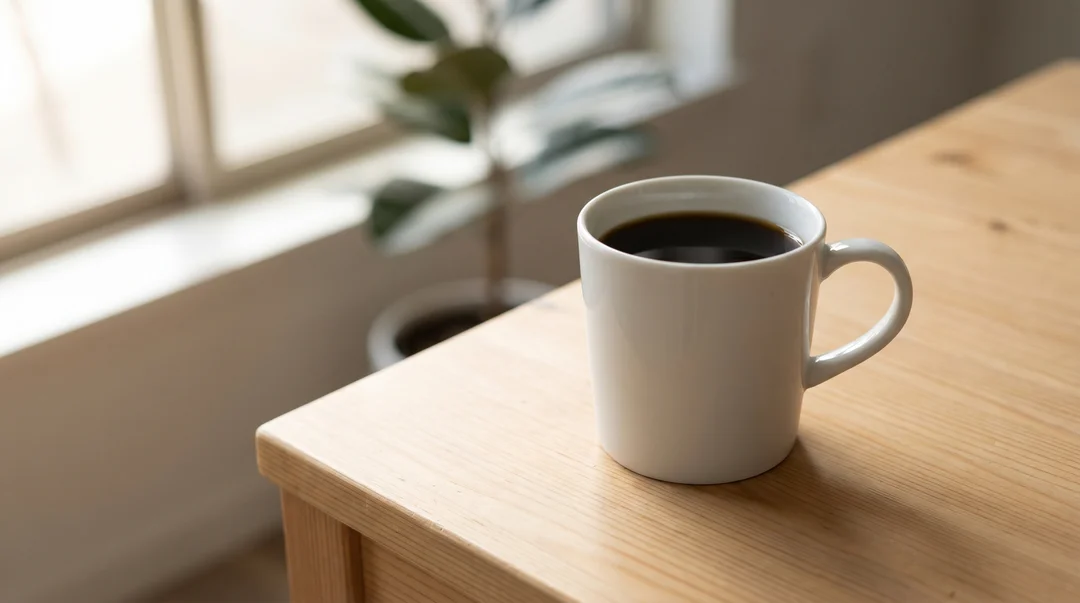
Coffee is the most asked-about drink in intermittent fasting communities. Black, with milk, with stevia, before workouts. Every variation has its defenders and its detractors. Does it actually break your fast? What does it do to your body on an empty stomach? Here is a clean breakdown of what science says about coffee while fasting.
The short answer, and why it matters
Plain black coffee does not break a fast for almost any goal: weight loss, blood sugar control, autophagy. Coffee oils add roughly 2 to 5 calories per cup, well below any meaningful threshold to break the fasting state. The metabolic markers that signal "fasted" stay intact.
A few studies even suggest coffee amplifies parts of the fasting response: caffeine accelerates fat mobilization, polyphenols support cellular cleanup, and a small cortisol bump can shorten the time to ketosis. None of this means more coffee is better, but it does mean a black cup at hour 14 of your fast is not sabotaging your work.
The picture changes the moment you add anything.
What actually breaks your fast in your coffee
Anything with calories, sweeteners that spike insulin, or fats that activate digestion can break the fast depending on the goal:
- Sugar: 1 teaspoon = 16 calories of pure glucose, immediate insulin spike, fast broken.
- Cream or milk: 30 ml of milk lands around 15 calories plus a lactose-driven insulin response. Bigger splash, bigger break.
- Oat or almond milk: usually 10 to 40 calories per serving, often with added sugars depending on the brand. Read labels.
- Stevia and erythritol: little to no insulin response in most people, but some report cephalic-phase insulin from sweet taste alone.
- Aspartame and sucralose: more controversial. Some studies show insulin response, others show none.
- Bulletproof coffee (butter plus MCT oil): 200+ calories, breaks autophagy and disrupts a "clean" fast. Acceptable for keto-style fat-adapted protocols, not for tight intermittent fasting windows.
If you are running 16:8 for weight loss, the practical rule: anything calorically meaningful counts. For autophagy goals, the threshold is stricter.
Side effects to watch for
Empty stomach plus caffeine is a different beast than coffee after breakfast. The most common issues:
- Jitters and heart palpitations. Caffeine sensitivity goes up during fasting. A regular morning cup can suddenly feel like a triple shot.
- Heartburn or reflux. Coffee acidity hits an empty stomach harder. Switch to cold brew or low-acid beans if you are sensitive.
- Sleep disruption. The caffeine half-life is 5 to 8 hours. A late afternoon coffee during a fast can push back sleep onset and reduce deep sleep.
- Cortisol stacking. Fasting already raises cortisol. Coffee adds another bump. For most people this is fine, but if you wake up wired or anxious, your morning coffee is likely the culprit.
- The dehydration myth. Moderate coffee intake is net hydrating, contrary to the older claim. That said, plain water still matters.
Tolerance shifts during a fast. The same coffee that felt benign last week may feel like a stress signal this week. Pay attention.

Practical rules for coffee during your fast
A workable set of rules, refined from clinical data and a lot of self-experimentation across the fasting community:
- Drink water first, coffee after. Caffeine on top of dehydration amplifies every side effect.
- Cap at 2 to 3 cups during the fasting window. More is rarely better.
- No coffee in the 8 hours before sleep, especially during longer fasts where sleep quality is already at risk.
- Use coffee to manage hunger, not to mask it. If a cup of coffee is the only thing standing between you and breaking your fast, that is a signal to either eat or rethink why you set the window so wide.
- Pair with electrolytes during long fasts. Caffeine has a mild diuretic effect that compounds beyond 24 hours.
For the fasting window structure, coffee usually fits in the morning portion of the fast. For intermittent fasting fundamentals, the simple answer is: start black, stay simple.
If you are wondering whether coffee replaces water, the 8-glasses-of-water myth article addresses it directly. Coffee counts toward hydration, but it does not replace plain water. For the bigger picture, hydration during your fast covers electrolytes and fluid balance over the full fasting window.
FAQ
Does decaf break the fast?
No, if it is black. Decaf has trace calories like regular coffee. Watch for added flavorings, sweeteners, or creamers, which is where most decaf options sneak in calories.
Are plant-based milks (oat, almond) okay during the fast?
Strictly no, if your goal is a clean fast. Even unsweetened plant milks contain 10 to 40 calories per serving and trigger some insulin response. For a soft 16:8 weight-loss fast, a small splash will not undo your progress, but it is no longer technically fasting either.
Can I drink coffee on extended fasts (48 hours and beyond)?
Yes, in moderation. Cap at 1 to 2 cups per day. Caffeine sensitivity climbs sharply after 24 hours without food. Many extended-fasters switch to herbal tea after day 1 for this reason.
Does coffee count as hydration?
Net positive, yes. The diuretic effect at moderate intake is small enough that you still gain water. That said, do not use coffee as a hydration substitute, especially during fasting when electrolyte balance is fragile.
The takeaway
Drink your coffee black, drink water first, cap at 2 to 3 cups, and pay attention to side effects that did not exist before you started fasting. Coffee is one of the few things that genuinely makes intermittent fasting easier. Used right, it earns its place.